
 Trade Review
The Trade Reversed. I Stayed. The System Got Smarter.
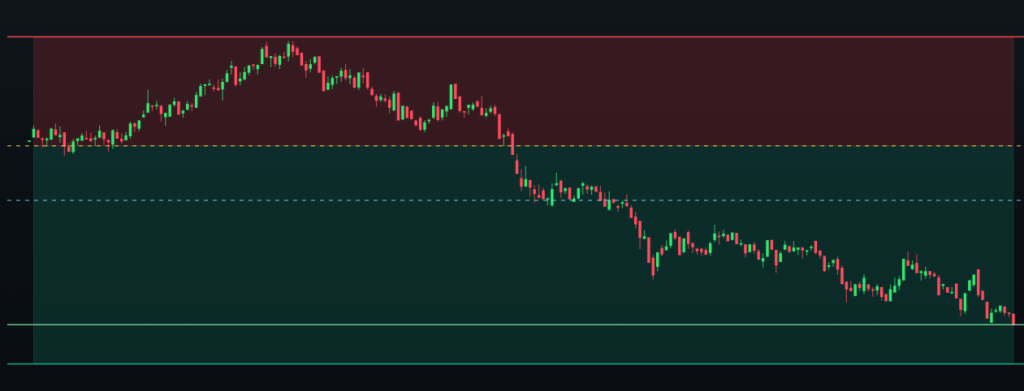
The trade was open for 223 minutes – nearly four hours. Halfway through, it turned against me. Price closed through the opposite side of my level. The easy thing to do was close it, open a new trade in the new direction, and convince myself it was smart. I did not do that. I stayed with the open trade. It reversed back, became profitable, and I coded a new rule into the system for the next time this happens. This trading journal entry is about the day the system got better because I let it learn.
The rules journal note for today is longer than usual. It says: “Had active trade and price closed opposite side levels so had to decide if continue the active trade or open new trade with price direction. Decided to stay with open trade and limit today to 1 trade. Finally trade reversed to original direction and became profitable and code new rule in the system for such cases.” That is not just a note. That is an evolution. The system was tested with a situation it had not seen before. It produced a new rule. The new rule is now part of the code.
The Short Version
- Date: Friday 03 July 2026
- Market: NIFTY – directional follow-through
- Trade: 1 trade – short CE, late morning, 223 minutes
- Result: Profitable day
- Discipline: 10.0 – rules followed
- System update: New rule coded for opposite-level scenarios
The Trade Log
The setup came late morning – a short CE off a level break. The real trading problem today appeared in the middle of the hold. The trade was open. The stop loss was set. Everything was within the plan. Then price moved against the position and closed through the opposite side of the level.
That moment is a crossroads and I have been here before. Close the trade and accept the loss. Open a new trade in the new direction and chase the move. It feels proactive. It feels like responding to the market. It feels like the right thing to do. But I have learned that feeling is not the same as evidence. The move never really got going – the price closed through the level but the follow-through was not confirmed. I decided: one trade today. Stay with what is open. Let the stop loss do its job.
That decision held for the rest of the session. The price reversed. The original direction reasserted. The trade closed at target after 223 minutes. The winning trade was not the story. The decision to stay was the story.
What I Learned
Not every session produces a psychological test. Today produced a system test. The situation was new: active trade, price through the opposite level, valid setup in the opposite direction. The old system did not have a rule for this. So I created one. After the session, I coded it in.
This is what the last week of journal entries has been building toward. First you stop interfering. Then you stop reacting to losses. Then you stop reacting to doubt. Then you start building new rules from the situations that used to make you interfere. That is not just discipline. That is evolution.
Compare this to yesterday. Yesterday the test was doubt from conflicting data. Today the test was doubt from conflicting price action. Both days: one trade. Both days: discipline 10.0. But today added something yesterday did not: a new rule. The system is not just surviving sessions. It is improving between them.
Risk Notes
Risk stayed inside the predefined plan. The stop loss was never moved. The position size was correct. The daily loss limit was respected by staying in one trade instead of opening a second. Discipline scored 10.0.
Useful Resource
If this journal entry connects to one resource, it is the Bot Development page. A trading system that learns from new situations and codes new rules is exactly what custom automation should do. The rules journal produced a new rule today. That is the process.
Related Reading
- The Charts Disagreed. I Kept The Promise. – yesterday, when doubt wore a chart discrepancy.
- Two Losses. No Interference. No Drama. – when the system started doing the emotional work.
- I Interrupted The Second Trade – the day that started the promise.
Simple Questions
What happened when the trade reversed?
Mid-session, price closed through the opposite side of the level while an active trade was open. Instead of closing the trade to open a new one in the new direction, the decision was to stay with the open trade and limit the session to one trade. The price reversed and the trade became profitable.
Why did you create a new rule?
Because the situation was new. The system had not encountered a scenario where an active trade is tested by price moving to the opposite level. The decision was made in the session. After the session, it was coded into the system so the next time it happens, the rule is already there.
How is this different from the “don’t interfere” rule?
“Don’t interfere” is a blanket rule to stop touching the trade. The new rule is more specific: when price tests the opposite level, stay with the open trade. It takes a general principle and makes it operational for a specific scenario.
Final Note
One trade. One reversal. One decision. One new rule.
The system survived a session it had not seen before. It did not just survive – it learned. That is what building a rule-based trading operation looks like. Not perfection. Progress.