
 Journal Note
The Charts Disagreed. I Kept The Promise.
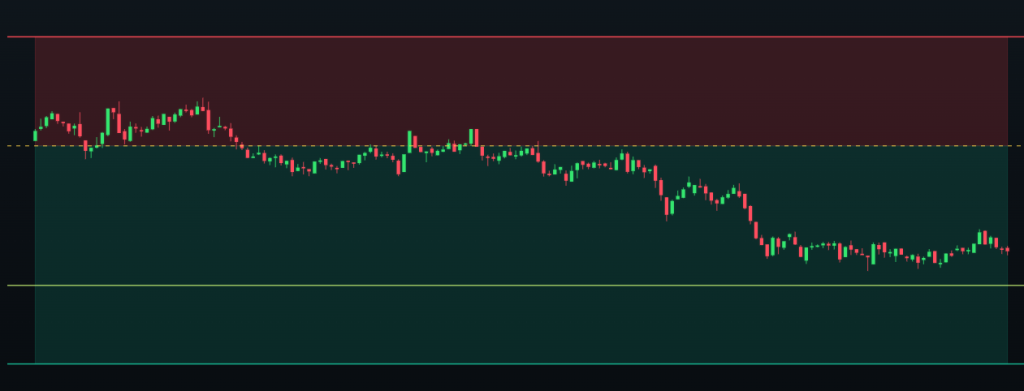
One trade today. Short PE. Mid-session entry. Held for 175 minutes. It won. That is the trade summary. But the real story happened in between – when the broker’s chart and my chart showed different things, and I wanted to do something about it. I did nothing. This trading journal entry is about keeping a promise.
There is a specific moment in a trade when doubt enters. It does not announce itself. It slips in quietly, wearing a reasonable disguise. Today it wore a chart discrepancy. The broker platform showed one picture. My tool showed another. Both were the same market. Both looked slightly different. And the part of my brain that wants to be right, that wants to be safe, that wants to do something, saw the mismatch and said: intervene. Fix it. Protect it. Do what you always used to do.
I did not. The rules journal note says: “I let systems work even though there was confusion with the broker’s chart and my chart, but I did not do anything like I have promised myself.” That sentence is longer than usual. It had to be. It needed to record not just what happened, but what almost happened.
The Short Version
- Date: Thursday 02 July 2026
- Market: NIFTY – directional follow-through
- Trade: 1 trade – short PE, mid-session, 175 minutes
- Result: Profitable day
- Discipline: 10.0 – rules followed
- Challenge: Chart mismatch mid-trade. Promise kept.
The Trade Log
The setup came mid-session. A short PE off a level break. The real trading problem today was not the entry – the entry was clean. The problem was what happened after. The broker’s chart and my chart diverged slightly. Both were correct. Both showed the same market. But they showed it differently enough that my brain noticed.
The trade ran for 175 minutes. That is nearly three hours of sitting with the mismatch and not acting on it. The move never really got going in a straight line – it drifted, it paused, it tested the level again – but the follow-through was there. The level held. The trade worked. And the entire time, a small part of me wanted to step in and make sure.
What I Learned
I made a promise to myself after June 23. That was the day I interrupted a trade that later would have won. The promise was simple: stop touching the trade. Let the plan run. Trust the stop loss. Do not let the brain convince you that intervening is the same as protecting.
Since then, the journal has recorded what that promise looks like day to day. Some days it is easy because the chart is clear and the trade is obvious. Other days – like today – it is hard because something looks wrong. The charts did not match. That is a real concern, not a fake one. The broker chart and my chart should match. When they do not, the reasonable thing to do is investigate. But investigating a chart mismatch and interfering with a trade are different things. One is analysis. The other is panic.
I chose analysis. After the session. After the trade. After the plan had already done its job. That is the difference six weeks of journal entries has made. The same situation, on June 23, would have ended with my hand on the keyboard. On July 2, it ended with the trade closing at target and the session booked as a win.
Risk Notes
Risk stayed inside the predefined plan. The stop loss was respected. The position size was correct. No interference. The daily rules were marked as followed. Discipline scored 10.0.
Useful Resource
If this journal entry connects to one resource, it is The Rule Is The Edge. The book is about building rules that survive doubt. Today the rule survived doubt. That is exactly what the book was written for.
Related Reading
- I Interrupted The Second Trade – the day that started the promise.
- No Setup Appeared. I Did Nothing. – yesterday, when waiting was the win.
- The App Crashed. I Became The Manual Override. – when technology failed but the rules held.
Simple Questions
What happened with the charts?
The broker’s chart and the personal chart showed slightly different readings for the same market. Both were correct in their own context. The mismatch created doubt, which was the real test of the session.
Why did you not intervene?
Because the stop loss was defined. The position size was correct. The trade was within the plan. The charts disagreeing was a data issue, not a trade issue. The plan does not change because two charts look different.
How is this different from earlier sessions?
On June 23, a smaller doubt led to interference and regret. Today a larger doubt led to no interference and a win. That is six weeks of documented progress on one page.
Final Note
One trade. One moment of doubt. One promise kept.
The charts disagreed. The plan did not. The trade closed at target. That is what keeping the promise looks like on a Thursday.