
 Journal Note
The Market Consolidated. The System Was Trained For This.
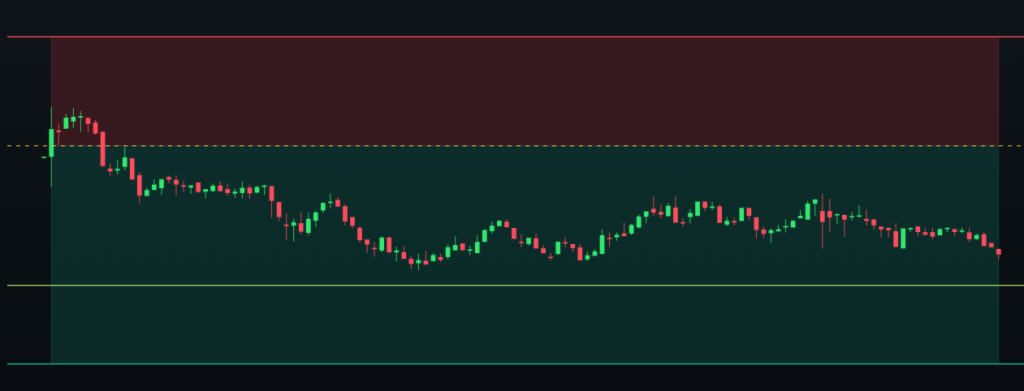
First session after the weekend. The market opened in consolidation – range-bound, no clear direction, the kind of session that frustrates traders who need the market to move. It did not frustrate me. It did not frustrate my system. My trading journal entry today is about what happens when the system was trained for exactly these conditions.
The rules journal note says: “The market is in a consolidation phase, and systems are working as they were trained to work and I am following my rules as I am suppose too.” That sentence matters. It is not about a winning trade. It is about the relationship between the system’s design and the market’s condition. The system was built to handle consolidation. Today the market consolidated. The system performed. The trader followed. That is not luck. That is design meeting reality.
The Short Version
- Date: Monday 20 July 2026
- Market: NIFTY – consolidation, directional follow-through
- Trade: 1 – short PE, mid-session, 130 minutes
- Result: Profitable day
- Discipline: 10.0 – rules followed
- System note: Trained for these conditions. Performed accordingly.
The Trade Log
One trade. Short PE in mid-session. The real trading problem today was not the entry – the entry was clean. It was the market condition itself. The move never really got going in a dramatic way. Consolidation meant the price tested levels, pulled back, tested again. The trade held for 130 minutes. The target was hit. The rules were followed. The system operated as designed.
What I Learned
There is a specific kind of confidence that comes from watching a system perform in the conditions it was trained for. It is different from the confidence of a winning trade. It is the confidence of a working design. The market consolidated. The system handled it. I followed the rules. None of those three things happened by accident.
This matters because consolidation phases are where most discretionary traders struggle. The market does not give clear direction. Entries look weak. Results take time. The temptation to override the system is strongest when the chart is flat. Today the chart was flat for long stretches. The system did not care. The system was trained for this. I sat there watching the screen trade sideways, and I felt nothing. Not boredom. Not the urge to find a better opportunity. Just the quiet satisfaction of watching a machine operate in the environment it was built for.
I have written before about the days that test the process – three technology failures, a market crash. Those sessions tested whether the system could stay within the plan during extreme conditions. Consolidation tests something different: whether the design can operate when the market gives little direction. Today provided another piece of evidence that it can. One session does not establish that a system covers every market condition. It does show that Monday’s consolidation was consistent with the way this design was intended to operate.
Risk Notes
Risk stayed inside the predefined plan. The stop loss was respected. The position size was correct. No interference. Discipline scored 10.0.
Useful Resource
If this journal entry connects to one resource, it is the Bot Development page. A system trained for specific conditions is what custom automation should be. The design matches the market. The code executes the design. The trader follows the rules.
Related Reading
- The Journal Is Now A Log, Not A Therapist. – last session, when operations replaced processing.
- The Trade Went To Target. No Extra Work Was Needed. – another clean win.
Simple Questions
What is a consolidation phase?
Consolidation is a market condition where price moves in a range without a clear directional trend. It can make entries harder to judge when momentum is limited. A trend-following approach may offer fewer opportunities in a range, while a range-aware design may be more comfortable there. The result depends on the system’s rules and the conditions it was tested against.
What does “trained for these conditions” mean?
It means the trading system was designed and tested against consolidation market data. Its entry rules, stop loss logic, and exit conditions account for range-bound price action. When the market enters consolidation, the system is operating in familiar territory.
Final Note
One trade. One win. Market consolidating. System performing as designed. Trader following rules.
A winning trade in consolidation is not more valuable than a winning trade in a trend. But it is instructive because it shows one condition the design was able to handle today. It does not establish how the system will behave in every trend, reversal, or crash. It gives me one more data point: Monday’s market matched a condition the system was designed for, the rules were followed, and the result was profitable. The weekend is behind us. The system is running. The journal records. The week has begun well.