
 Journal Note
The Market Crashed. The System Was Ready. I Watched.
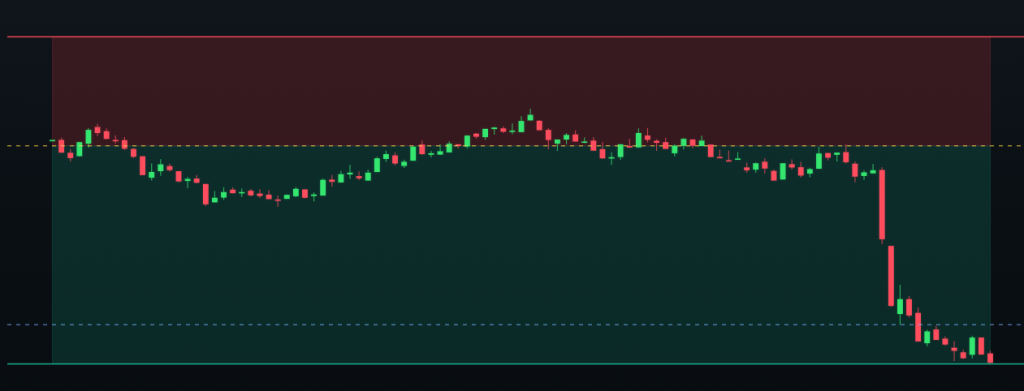
The market crashed today. Not metaphorically. The NIFTY dropped hard mid-session. The system was already positioned short. I sat on the sideline and watched the plan work. One trade, one win, discipline 10.0. This trading journal entry is about the day the market failed and the system was already facing the right direction – not because anyone predicted the crash, but because the setup said short and the rules said follow.
The rules journal note is short: “Market crashed today but systems did the job well. All rules were followed by me while sitting in side line.” That word – sideline – is important. I was not managing the trade. I was not adjusting anything. The system had the setup, the entry, the stop loss, and the protection in place before the crash happened. When it happened, my job was the same as any other session: do not interfere. Let the plan run. The market crash made it dramatic. The process did not care.
The Short Version
- Date: Wednesday 08 July 2026
- Market: NIFTY – market crash, directional follow-through short
- Trade: 1 trade – short CE, mid-session, 103 minutes
- Result: Profitable day
- Discipline: 10.0 – rules followed
- Position: Already short before the drop.
The Trade Log
Mid-session entry. A short CE off a level break. The real trading problem today was not the entry – the entry was clean, the setup was confirmed, the stop loss was defined. The problem was about to be the market itself. The move never really got going in a slow, steady way – it accelerated. The market dropped. The short position moved into profit quickly. The trade closed after 103 minutes inside the plan.
This was not a prediction. Nobody knew the market was going to crash today. The system did not contain a crash-forecasting module. It contained a setup rule that said short, an entry rule that said enter at the level, a stop loss rule that said protect here, and an exit rule that said close at target. Those four rules produced a winning trade during a market crash, the same way they would have produced a losing trade on any other day when the level did not hold. The system does not care what kind of day it is. The system follows the rules. The result is whatever the market gives.
What I Learned
Yesterday the lesson was that the process survives technology failures. Today the lesson is that the process survives market failures too. Three independent system failures on Tuesday. A market crash on Wednesday. The process absorbed both. Not because it was designed to handle crashes and failures – it was not, specifically. It was designed to follow rules regardless of context. That turns out to be the same thing.
Yesterday the broker rejected the order, the system slept, and the app crashed. Today the market itself crashed. Two very different kinds of failure. One process. It held both times. Six weeks ago, a small pullback was enough to make me interfere with a running trade. Now a market crash passes and I am writing about it from the sideline. That is not luck. That is what building a system looks like over time.
There is a quiet confidence in being on the sideline when the market moves violently. Not the confidence of knowing what will happen. The confidence of knowing the plan will hold regardless. That is a different kind of trading. It does not feel like trading at all. It feels like watching a machine you built do what you built it to do.
Risk Notes
Risk stayed inside the predefined plan. The stop loss was respected. The position size was correct. The market crash did not trigger any overrides, panic decisions, or manual interventions. The daily rules were marked as followed. Discipline scored 10.0.
Useful Resource
If this journal entry connects to one resource, it is the Bot Development page. A system that takes the same action on a quiet Tuesday and a crashing Wednesday – without changing its behaviour – is what custom trading automation should do. Rules. Execution. No interference. That is the service.
Related Reading
- Three Things Failed. The Rules Held. – yesterday, when technology failed three times and the process survived.
- The App Crashed. I Became The Manual Override. – the first system failure, when one thing broke.
- I Interrupted The Second Trade – six weeks ago, when a small pullback was enough.
Simple Questions
Did you predict the market crash?
No. The system was short because the setup rules pointed short, not because anyone forecast a crash. The setup appeared. The system followed the rules. The crash happened afterward. The result was a profitable trade, but the process was the same as any other day.
What does “sitting on the sideline” mean?
It means the trader does not manage the trade. The system handles the entry, the stop loss, and the exit. The trader’s job is to let the plan run. During a market crash, that means resisting the urge to touch the trade – close it early, take profit, or do anything the plan does not say to do.
How is this connected to yesterday’s entry?
Yesterday the process survived three technology failures. Today it survived a market crash. Two different types of failure. One process. Both held.
Final Note
One trade. One crash. One win. Zero interference.
The market failed today. The system was already facing the right way – not because anyone knew, but because the rules pointed there. That is what systematic trading looks like. Not prediction. Preparation.