
 Trade Review
I Let The Trade Run. 163 Minutes. Did Nothing.
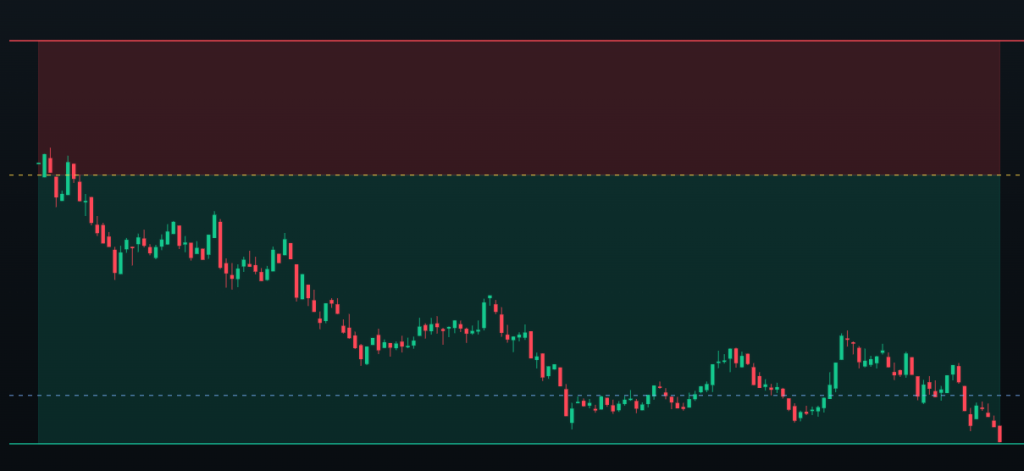
This options trading journal entry covers a NIFTY session where I took one trade, a short PE option entered in the opening phase. It ran for 163 minutes. I did not touch it. That is the whole story.
The trade sat for nearly three hours. In that time I did not adjust the stop loss. I did not move the target. I did not check the screen nervously or convince myself to secure something early. The plan was written before the trade. The rest was just patience.
That might sound easy. It is not. If you have read my journal over the last week, you know I have a pattern of interrupting trades that later would have finished well. I Interrupted The Second Trade was yesterday. The Trade Needed Time. My Old Habit Wanted Safety was two weeks ago. Today was different.
The Short Version
- Date: Wednesday 24 June 2026
- Market: NIFTY – directional follow-through
- Trade: 1 trade, short PE option, opening phase entry
- Duration: 163 minutes
- Result: Profitable day
- Discipline: 10.0 – rules followed cleanly
Before The Trade
I waited for the market to come to my marked area. This is a rule I have written about before but still have to remind myself to follow. The setup came from a buyers-versus-sellers fight around the level, with ATR and volatility giving enough movement for the trade to count.
The opportunity was clean. The structure around the level gave a put-side short setup. No second-guessing. No waiting for a better price. The trade was there and I took it.
I have been in sessions where I hesitated at this point and missed the move. Today I did not.
Inside The Trade: 163 Minutes Of Doing Nothing
This is where the real work happened. Once the trade was active, the focus shifted from action to patience. The position stayed open for 163 minutes. That is nearly three hours of a six-and-a-half-hour session.
In that time, the market moved. The chart updated. The drawdown fluctuated. And I sat there knowing the stop loss was defined and the plan was written. There was nothing to do.
That is the part of trading nobody talks about. The moment when everything looks fine and the voice in your head says you should still do something. Secure it early. Take partial profit. Move the stop loss to breakeven just in case. Every one of those urges is a risk management failure dressed up as caution. Yesterday, I gave in to that voice. Today, I did not.
The execution study confirmed the limit could fill immediately. That means the market was liquid and the trade worked as expected. The follow-through was there. The only variable was whether I would let it finish.
The Exit: Plan Managed, Not Emotion Managed
The move eventually worked in my favour. The trade was managed through the planned protection path. No last-minute adjustments. No rescuing the trade from myself. The exit rules handled the position the way they were designed to.
This is what a clean trade looks like. The entry was at the level. The hold was patient. The exit was planned. There is nothing dramatic about it. That is exactly the point.
What I Learned
Yesterday, I wrote about interrupting a trade that later would have finished profitably. That lesson was still warm. Today, the same test came again and I passed it differently.
The difference was not willpower. It was having the plan written down before the trade. When the voice said interfere, the plan said no. The plan does not get tired. The plan does not get bored during a 163-minute hold. The plan just sits there.
That is the lesson I am keeping from today: the plan is stronger than the urge. Yesterday the urge won. Today the plan won. Both sessions go in the journal, because both sessions teach.
Risk Notes
Risk stayed inside the predefined limits. The trade risk was linked to the local journal plan and never moved outside the system boundaries. Daily rules were marked as followed.
One internal note worth mentioning: the risk capacity has increased based on the numbers, but I am not ready to increase it yet. The brain and the account do not always move at the same speed. That gap is healthy. It means I am thinking about risk, not just celebrating a winning day.
Related Reading
- I Interrupted The Second Trade – yesterday, when interrupting cost me.
- The Trade Needed Time. My Old Habit Wanted Safety – when I closed early.
- Risk Management Is What You Do Before The Trade, Not After – the support article that connects to today.
- The Rule Is The Edge – my book on rule-based trading discipline.
Useful Resource
If this journal entry connects to one resource, it is The Rule Is The Edge. A trading plan is only as strong as the discipline behind it. The book walks through exactly what that looks like day to day.
Simple Questions
What is this trading journal entry about?
It is a public journal note covering a NIFTY session where one trade ran for 163 minutes and the plan was followed without interruption.
Why is holding a trade for 163 minutes significant?
It demonstrates that the hardest part of trading is often patience, not entry selection. Letting a defined plan run without interference is a discipline that takes time to build.
Was this a winning trade?
Yes. The trade closed profitably, but the note focuses on the process rather than the result. A winning process produces a mix of wins and losses. Today the result was green.
How does this connect to other journal entries?
Yesterday’s entry was about interrupting a trade that would have won. Today was the opposite – the same test, a different outcome. Both lessons go in the journal.
Final Note
One trade. 163 minutes. No interference. That is what discipline looks like on a Wednesday.
Yesterday, I interrupted and regretted it. Today, I held and the plan worked. The journal exists so both days are remembered. The good days show what is possible. The bad days show what to avoid. Today was a good day.