
 Drawdown Review
Two Losses. The Plan Held. That Is Enough.
I took two trades today. Two losses. One plan. I did not touch the stop losses. I did not take a third trade to recover. I just let both trades play out and close inside the plan. This trading journal entry is about what happened between them and after them. Which was nothing.
Yesterday I held a trade for 163 minutes and won. Today I held one for 255 minutes and lost. Then I took another one. That lost too. Same plan on both days. The plan does not change because yesterday was green and today was red. The market decides the result. I decide the process.
The Short Version
- Date: Thursday 25 June 2026
- Market: NIFTY – reversal-heavy session, level breaks failing
- Trades: 2 trades, both losses
- Trade 1: Short PE, opening phase, held 255 minutes
- Trade 2: Short CE, afternoon window, held 40 minutes
- Result: Loss day
- Discipline: Process followed. Both exits inside predefined risk.
The Trade Log
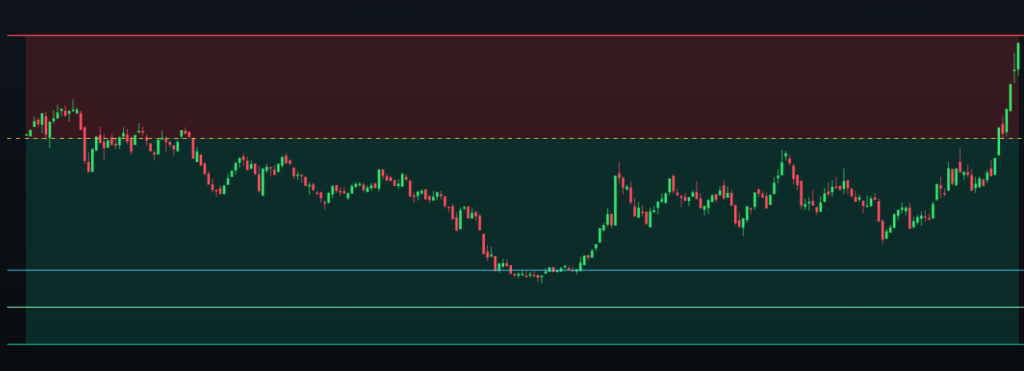
The first trade was a short PE in the opening phase. The sellers-versus-buyers fight around the marked area gave a clean entry. The stop loss was defined. The position size was correct. I entered and waited.
Then I waited some more. 255 minutes is more than four hours. In that time, the market went through everything – a small move in my favour, a reversal, a drift, another push. But the follow-through never really got going. The level break happened, but continuation did not hold. Price pushed back. The trade closed inside the predefined risk plan.
The loss was clean. The stop loss worked. The position did what it was supposed to do: lose a defined amount and exit. That sounds small but it is not. A clean loss is a win for the system. It means the safety net caught the fall.
The second trade was a short CE in the afternoon management window. Same setup logic. Different direction. Level break, clean entry, defined stop, correct size. This one moved against me faster. 40 minutes. Loss again.
Two losses in one session. That is the moment when most traders break. They take a third trade to recover. They increase the size. They move the stop loss. They argue with the market inside their own head. I have done all of those things. Today I did none of them.
The second loss hurt more than the first. Not because of the amount. Because the first loss was already sitting there, and the brain starts doing math. If I take one more, I can get back to flat. That math is a liar. I have learned that lesson before. The session rules say two trades. I took two. I stopped.
What I Learned
Yesterday I wrote that the plan is stronger than the urge. That was true when the plan won. It is still true when the plan loses. The plan does not promise a green day. It promises a clean process. Today the process was clean. The result was red. Both things can be true at the same time.
I also learned that a 255-minute hold on a losing trade teaches the same thing as a 163-minute hold on a winning trade. Patience is not measured by the result. It is measured by whether you let the trade run until one of two things happens: the target hits, or the stop loss hits. Today the stop loss hit. Twice. That is not a failure. That is the system doing its job.
If you read yesterday’s entry and the day before, you will see the full arc. Interrupted a trade and regretted it. Let one run and won. Let two run and lost. Same person. Same plan. Different day. That is what a real trading journal looks like. Not a highlight reel.
Risk Notes
Both losses stayed within the predefined risk plan. The stop losses were set before entry. Neither was moved. The daily loss limit was respected. No third trade. No revenge. No negotiation with the rulebook.
The market condition was reversal-heavy. That is a specific type of session where level breaks look clean but do not hold. The plan accounts for this. Not every level break becomes a trend day. Some breaks fail. That is normal. The job is to let them fail inside the risk limit, not to avoid failure.
Useful Resource
If this journal entry connects to one resource, it is the Risk Management Handbook. Two clean losses in one session test the risk system more than ten winning trades ever could. The handbook is free and covers the approach.
Related Reading
- I Let The Trade Run. 163 Minutes. Did Nothing. – yesterday, when the patience paid off.
- I Interrupted The Second Trade – two days ago, when interfering cost me.
- Drawdown Hit Hard. I Still Followed The Rules. – when drawdown tested the limits.
- Risk Management Is What You Do Before The Trade, Not After – the approach behind today’s clean losses.
Simple Questions
What is this trading journal entry about?
It covers a NIFTY session with two losing trades, both closed inside the predefined risk plan. The entry focuses on process discipline during a loss day.
Why are clean losses important?
A clean loss means the stop loss was respected and the exit was planned. An unclean loss is when rules break under pressure. Today both losses were clean – the system did its job.
How does this connect to the previous journal entries?
Yesterday’s entry was a winning day with the same discipline. The day before was about interrupting a trade. Together they show three days of the same trader applying the same plan across different outcomes.
What happens when a level break does not hold?
It is a market condition where a price level breaks but does not follow through. The break looks real but momentum fades or reverses. A trader cannot predict it – the job is to manage the risk and let the stop loss handle the outcome.
Final Note
Two trades. Two losses. No interference. No revenge. No changing the rules.
Yesterday the plan won. Today the plan lost. The plan is still the plan. I will use it again tomorrow.