
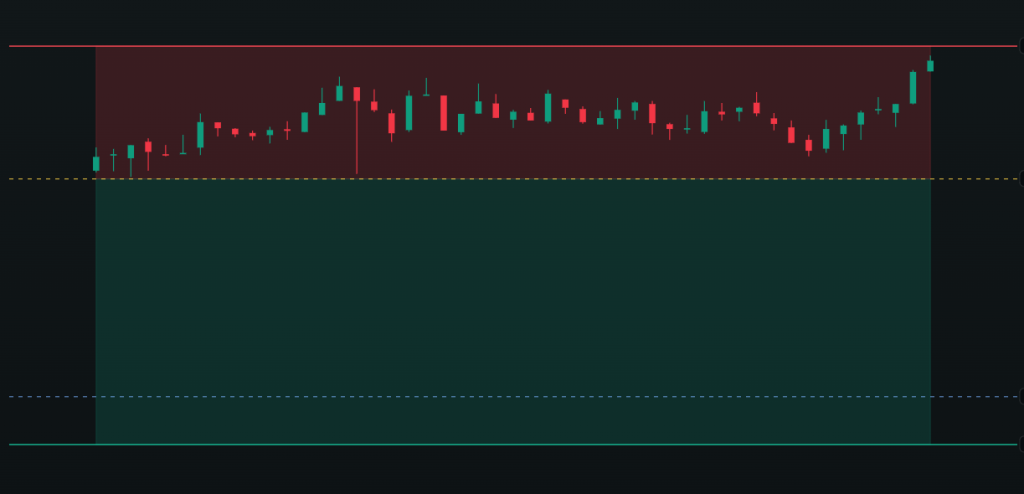
 Trade Review
Two Short PE Trades: First Failed, Second Worked
There were 2 trades today. Trade 1 was a loss. Trade 2 was profitable. This options trading review is my plain end-of-day story: the first short PE trade did not work, the second short PE trade worked, and I had to keep the rules steady between both.
The day was not clean from the start. It had movement, but it also had enough pushback to make chasing dangerous. So my job was simple. Wait for the setup, take only what qualified, and let the stop loss or exit rule handle the trade after entry.
- Trades taken: 2
- Trade 1: Short PE option – Loss
- Trade 2: Short PE option – Profitable
- Day result: Profitable day
- Session type: Mixed intraday session
- Rules: Followed
What Happened First
The session started with a mixed feel. Price was moving, but it was not a smooth one-way day. I did not want to jump at every candle.
I waited for price to come to my marked area. That sounds simple, but it matters. If I chase, I usually enter late and the trade becomes emotional.
The first completed setup came in late morning. It was a short PE option trade. The second setup came later around mid-session, also on the short PE side. I am not sharing exact levels, strikes, or private setup rules here. This is a public trading journal, not a signal sheet.
Market Read
The market gave enough range for a trade to matter, but it did not make the first trade easy. The first idea had time to work, but the move did not keep going cleanly. Price came back and the loss had to be accepted.
That is the point where many traders make the day worse. One loss comes, then the next trade becomes revenge. I did not want that. I wanted the next trade to be judged on its own rules.
So the market read was simple: mixed session, enough movement, but no room for ego.
Trades Taken
There were 2 trades today. Both were on the put side.
- Trade 1: Loss
- Trade 2: Profitable
The day finished profitable because the second trade worked after the first trade failed. That is the full story in one line.
Trade 1 – Loss
Trade 1 came in late morning. I shorted a PE option after the setup qualified around my marked area. I was not chasing the move. I waited for the trade to come to me.
Once the trade was active, it did not become clean. It sat there long enough to show whether the idea had follow-through, but price pushed back. The trade never really gave the kind of movement I wanted.
The exit rules handled it. Trade 1 was a loss. No drama. No need to make it sound better than it was. A valid trade can lose. The important part is that the loss stayed inside the plan.
Trade 2 – Profitable
Trade 2 came later, around mid-session. Again, it was a short PE option trade. The first trade had already lost, so this was the important part of the day for discipline.
I could have carried the first loss into the second trade. I could have rushed. I could have tried to win it back quickly. That is exactly where trading usually gets messy.
Instead, I waited for the next setup. The market does not owe me a recovery after a loss. My only job is to take the next valid setup. This one worked better. The move gave better follow-through, the planned protection path handled the position, and Trade 2 finished profitable.
That trade brought the day back into profit. More importantly, it happened without changing the rules after the first loss.
What I Learned
The lesson is not complicated. Trade 1 lost. Trade 2 won. The day became profitable because I did not let the first result change the next decision.
That is easy to say after the market closes. It is harder while the screen is moving. After a loss, the mind wants to fix the day quickly. The journal is here to slow that down.
- The first trade failed.
- The loss stayed controlled.
- The second trade worked.
- The day finished profitable.
- The rules mattered more than the first result.
Stop Loss And Risk Notes
Risk decided whether this day stayed clean. If Trade 1 had gone outside the plan, Trade 2 would not have mattered as much. The damage would already be done.
Because Trade 1 stayed controlled, I could still take Trade 2 when it qualified. That is why stop loss discipline matters. It does not make every trade win. It keeps one failed trade from becoming the whole day.
Trade 2 worked, but I still want to record it the same way. Setup, risk, management, exit, lesson. Winning trades also need review, otherwise the journal becomes one-sided.
What I Am Taking Forward
The main thing I am taking forward is this: the first trade result should not control the next trade.
If the next setup is valid, I should be able to take it calmly. If it is not valid, I should leave it alone. Today, the second setup was valid and profitable.
This is why I write these reviews. I want to see the day clearly, not emotionally.
Two trades. One loss. One win. The first trade failed, but the second setup was judged on its own merits. That kept the day profitable and, more importantly, kept the process intact.
More To Read
- MyTradingDesk trading journal archive
- Risk Management Handbook
- Free Risk Management Starter Checklist
- The Rule Is The Edge
- MyTradingDesk books
- MyTradingDesk Tools
Resource For The Next Review
If you are reviewing your own trades, use the free Risk Management Starter Checklist before and after the session. If you want the bigger rule-first idea behind this desk, read The Rule Is The Edge.
Reader Questions
What happened in today’s options trading review?
There were 2 short PE option trades. Trade 1 ended as a loss. Trade 2 finished profitable. The overall day ended positive.
Why was Trade 1 a loss?
Trade 1 did not get clean follow-through after entry. Price pushed back and the exit rules handled the trade inside planned risk.
Why was Trade 2 profitable?
Trade 2 had better follow-through. The setup qualified later in the session and the planned trade path handled the position.
What is the main risk lesson?
The first trade result should not control the next decision. A controlled loss keeps the trader ready for the next valid setup.
Is this a trading signal?
No. This is a public trading journal review. It does not give buy or sell advice, exact levels, strikes, or private strategy rules.