
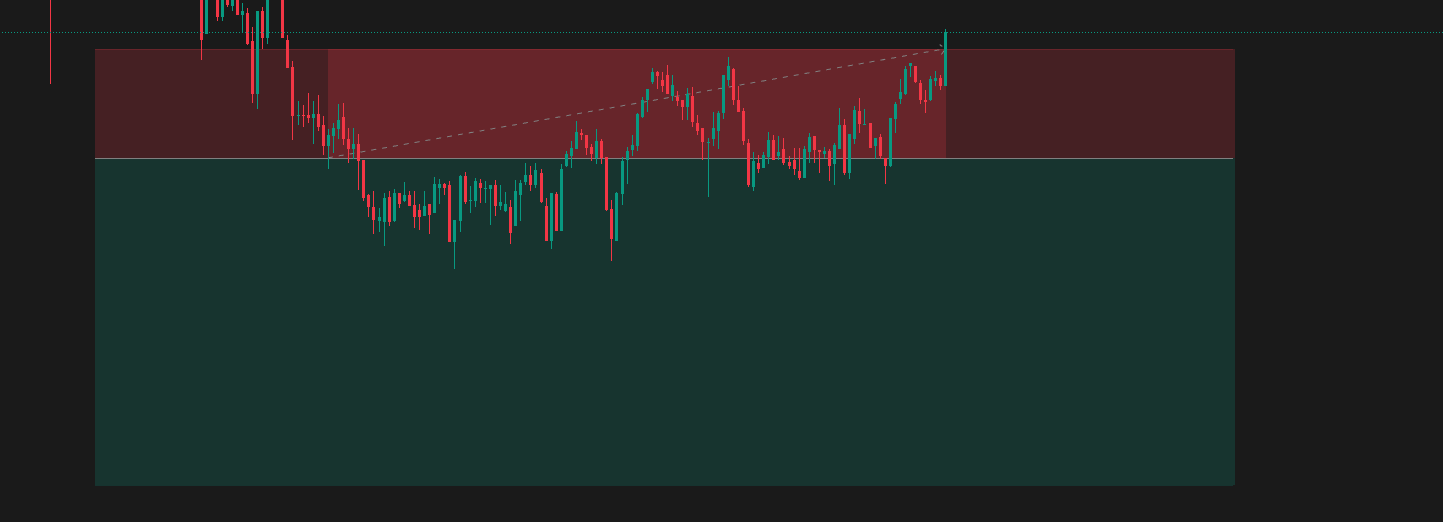
Some trading days are clean and directional, while others are filled with indecision. Today was one of those choppy sessions. I took two intraday trades based on my tested setup, executed them with discipline, and still ended the day with both positions hitting their stop loss. Although it wasn’t a profitable day, it was a valuable one in terms of understanding market behaviour.
The Nifty 50 spent most of the day struggling to pick a clear trend. Every move lacked commitment. Because of this, both short option positions were stopped out — not due to poor execution, but because the market wasn’t ready to move in a single direction.
My first trade was a short position on a Nifty 50 Call option. All criteria were met: structure, momentum, and confirmation. Price consolidated, but instead of continuing lower, it reversed and hit my stop loss. That’s intraday trading — even perfect setups get invalidated when the market is indecisive.
Later, a bullish opportunity appeared, so I shorted a Put option. Once again, the entry matched my setup. But the market reversed sharply, taking out my stop for the second time. Two trades, two stop losses — the reality of trading choppy market conditions.
Why I Prefer Selling Options Over Buying Them
One of the questions traders often ask me is why I focus on selling options rather than buying them. The simple answer is: theta is on the seller’s side. Time decay benefits sellers, while buyers must fight against it.
Option buyers depend on strong, fast, directional movement. Without momentum, the premium loses value. Sellers, on the other hand, can profit even if the market stays sideways or moves slowly.
- Theta decay works for me — every minute helps reduce the premium I sold.
- Sideways markets still pay — range-bound price action benefits sellers.
- Small directional moves are enough — I don’t need huge breakouts.
I usually short ATM or sometimes ITM strikes because they offer better premiums and more predictable decay. This aligns with how markets behave most of the time — slow, calm, and without dramatic one-directional runs.
Selling options does come with risks. Sharp reversals increase delta and gamma exposure. Slippage can distort stop-loss execution. Volatility spikes can inflate premiums. These risks are part of the trade, and the key is managing them through disciplined stop placement and a proven strategy.
Despite these challenges, option selling provides a statistical long-term edge. It’s not based on prediction — it’s based on math, probability, and market behaviour. With consistent execution and proper risk control, selling options continues to outperform buying in the long run.
Final Thoughts: Discipline Over Outcome
Today’s results weren’t profitable, but they were disciplined — and that matters more. Two stop-loss hits don’t change the edge of my strategy. Choppy days come and go, but staying consistent is what builds long-term success.
As long as I follow my rules, manage risk, and stay committed to my process, the long-term results will keep working in my favour.