
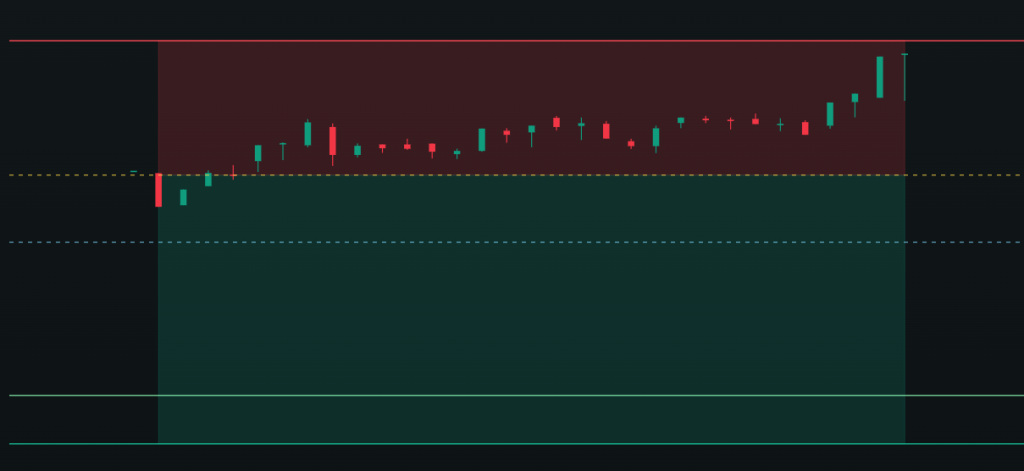
 Drawdown Review
A Clean Loss Day Is Better Than A Messy Rescue Attempt
This options trading review is my note for Thursday 18 June 2026. Two trades today. Both were short CE option trades. Both ended as losses.
The first trade lasted about 58 minutes. The second lasted about 30 minutes.
The result was a loss day. The useful part is that I did not interfere with it.
A clean loss day is better than a messy rescue attempt. That is the note I want to keep.
Quick Note
- Trades taken: 2
- Trade type: short CE options
- Trade 1: loss, about 58 minutes
- Trade 2: loss, about 30 minutes
- Day result: loss day
- Rules status: followed
- Main memory: a clean loss day is better than a messy rescue attempt
What I Did Today
I took two short CE trades.
The first trade came in the late morning. It stayed open for almost an hour. The move did not hold well enough, and the trade closed as a loss.
The second trade came later in the session. It was shorter, about 30 minutes, and it also closed as a loss.
That is the whole trade story in plain words.
Two call-side shorts. Two losses. No touching the process.
Market Read
The market did not give clean follow-through today.
That matters because short CE trades need the idea to keep moving the right way after entry. Today the moves did not stay clean enough.
I do not need to make that more dramatic than it was. The trades qualified, the risk was defined, and the exits did their job.
Some sessions are not about being clever. They are about not making the loss day worse.
Trade Log
Trade 1 – Loss. Short CE. Around 58 minutes. The trade had time, but time did not turn it into a winner.
Trade 2 – Loss. Short CE again. Around 30 minutes. The move still did not give enough follow-through, so the trade closed inside the plan.
I am keeping this public note simple on purpose. No exact level, strike, price, entry rule, or private setup detail belongs here.
The public lesson is enough: the trades lost, and I did not turn the loss into a bigger behaviour problem.
The Part I Want To Remember
The important part today is not that two trades lost.
Losses happen.
The important part is that I did not touch the process when the session stayed uncomfortable.
After one loss, the mind wants a better ending. After two losses, the mind wants an explanation. Neither one is a trading plan.
Today I let the exits handle the trades.
Why This Was Not June 12
June 12 was different.
That day, I interrupted the second trade and followed my own analysis. The process was working until I got involved.
Today was the mirror image. The trades still lost, but I did not add myself as another problem.
That is why this review matters. Interference caused damage on June 12. Non-interference prevented more damage today.
Why This Was Not A Rescue Day
A loss day can become much worse when I start trying to rescue it.
That did not happen today.
I followed the rules and left the trade management alone. That does not make the day profitable, but it keeps the day clean.
There is a difference between a losing session and a messy session. Today was losing, not messy.
Risk Notes
The risk stayed inside the plan.
Both trades lost, but neither one needed an emotional edit from me. That is the point of having a stop loss and a trade review process in the first place.
- Two short CE trades were taken.
- Both trades closed as losses.
- The first trade lasted about 58 minutes.
- The second trade lasted about 30 minutes.
- The rules were marked as followed.
- No manual rescue attempt was added to the day.
What I Learned
I learned that not interfering matters on loss days too.
Yesterday’s lesson was about leaving a winner alone. Today’s lesson was about leaving a losing process alone when the exits are already doing their job.
That is harder than it sounds, because a loss day always invites an opinion.
The cleaner answer is to record it, review it, and move on.
The Lesson I Am Keeping
The sentence I want to keep is this:
A clean loss day is better than a messy rescue attempt.
That is not exciting, but it is useful.
My job is not to make every day look good. My job is to keep the process honest.
Related Reading
- Trading Journal – more public MyTradingDesk trade reviews.
- I Interrupted The Second Trade – the mirror lesson from a day when interference caused the damage.
- Risk Management Handbook – notes and structure for reviewing loss days without turning them emotional.
- Free Risk Management Starter Checklist – a simple checklist for pre-trade and post-session review.
- The Rule Is The Edge – my book about rules, patience, and not turning every feeling into a trade decision.
Useful Resource
If today’s note connects to one resource, it is the Risk Management Handbook. A two-loss day is exactly when risk review needs to stay boring and factual.
Final Journal Note
Two short CE trades. Two losses.
No rescue attempt. No extra drama. No rewriting the day.
The trades failed, but the behaviour stayed clean.
That is what I want to remember six months from now.
Simple Questions
What happened in today’s options trading review?
I took two short CE option trades. Both ended as losses.
What made today different?
Today was not about recovering, protecting, or securing early. It was about taking a clean loss day without interfering.
How is this different from the June 12 journal?
June 12 was about interference causing damage. Today was about non-interference preventing extra damage.
Was this a trading signal?
No. This is a public trading journal entry. It does not give buy or sell advice, exact levels, strikes, prices, or private rules.
Why does this matter for my review?
A loss day can become worse if I try to rescue it. Today the useful part was leaving the process alone.
What is the six-month memory?
A clean loss day is better than a messy rescue attempt.