
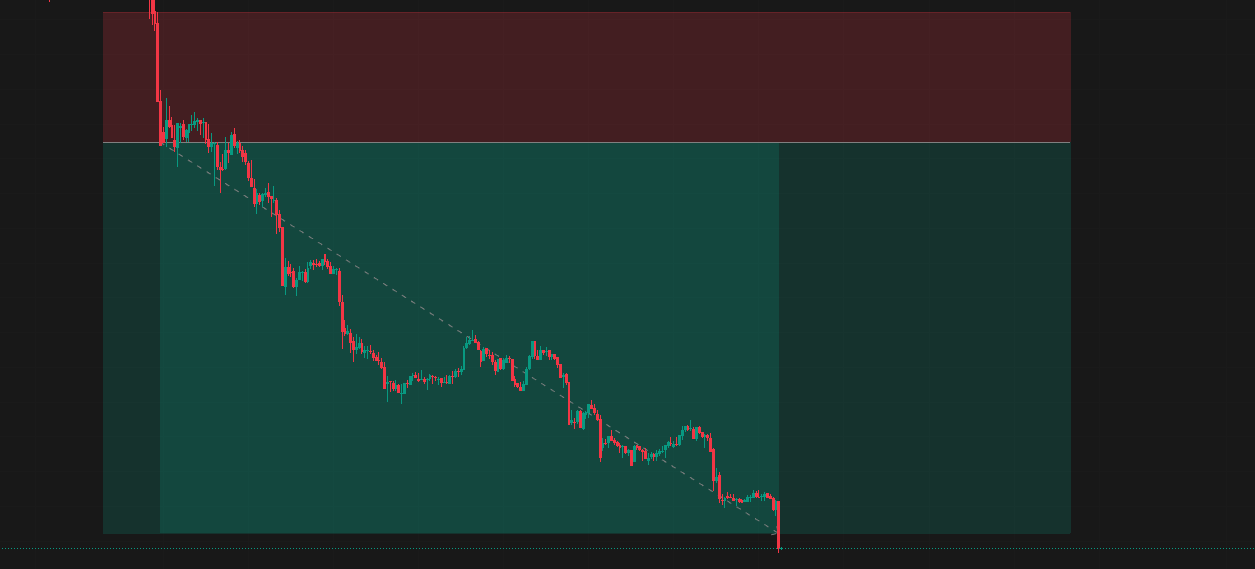
The market opened today with a small gap up and quickly retested the previous high. After that retest, price paused and formed a brief consolidation. The next candle showed a bounce and a breakout from that range — a valid setup according to my trading rules.
I took the trade.
It didn’t last long. The stop loss was hit.
Soon after, the market offered another opportunity — this time using the same stop-loss candle as the reference. This is where trading psychology truly gets tested.
The Mental Resistance After a Stop Loss
When a stop loss gets hit and the market immediately presents a reverse setup, the mind naturally resists.
- What if the market snaps back again?
- What if I take two stop losses in a short span?
- Maybe I should wait and see.
These thoughts are normal — but they are also dangerous.
The market does not care about how recently you were stopped out. It only responds to price action and structure.
My Rule Is Simple
I follow one non-negotiable rule:
If price action meets my entry criteria, I must take the trade — regardless of how I feel.
Nervousness is not a signal.
Fear is not information.
Only price matters.
Despite the hesitation, I executed the trade.
When Discipline Pays
Right after entry, the market started trending smoothly in my favour. There was no hesitation, no sharp reversals — just clean directional movement.
The trade reached my 3R target without difficulty.
Trade Summary
- First trade: Short put option — stop loss hit
- Second trade: Short call option — 3R target achieved
One loss. One win. Proper execution.
The Real Win Wasn’t the 3R
The real win today wasn’t the profit.
- Following the plan
- Executing despite nerves
- Not freezing after a loss
- Not changing rules mid-session
These are the habits that build long-term consistency.
Final Thoughts
Trading is not about avoiding fear.
It is about acting correctly even when fear is present.
Losses will happen.
Back-to-back setups will happen.
Your responsibility is not to predict — it is to execute.
Days like this reinforce why discipline matters more than emotions.