
 Journal Note
Trading Lessons: Breakdowns and Support
Introduction: Volatility as Opportunity and Risk
Market volatility can be a trader’s best friend or worst enemy. Sudden price swings create opportunities for profit, but they also expose traders to unexpected losses. To thrive in such conditions, traders must develop a sharp understanding of market dynamics and the ability to adapt quickly. Volatility is not something to fear—it is a reality to be managed with discipline, preparation, and strategy.
False Breakdowns: The Trap of Panic Selling
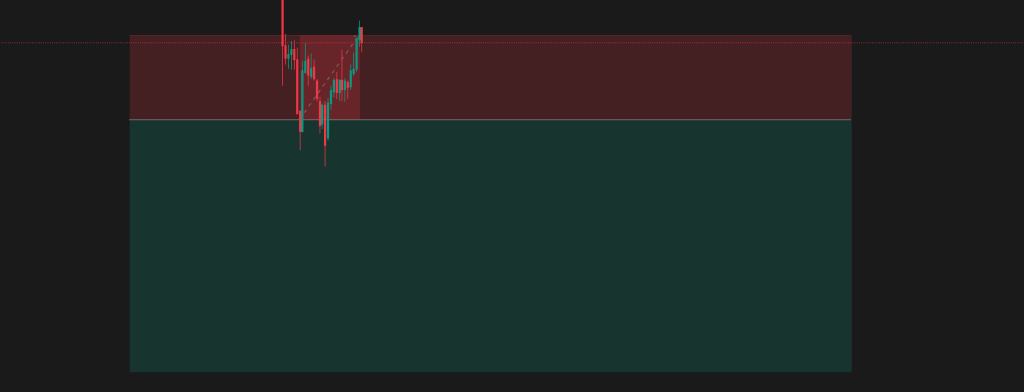
One of the most common challenges during volatile periods is the false breakdown. This occurs when a security appears to break below a key support level, only to reverse direction and rally higher.
Why it happens: Market makers, algorithms, or large players may trigger stop-loss orders, creating the illusion of weakness.
Impact on traders: Those who panic sell at the breakdown often miss the rebound, locking in losses.
How to avoid the trap:
– Confirm breakdowns with volume and momentum indicators.
– Wait for a candle close below support before acting.
– Use layered stop-losses rather than a single trigger point.
By recognizing false breakdowns, traders can avoid unnecessary losses and even position themselves to profit from reversals.
Unexpected Support: Hidden Strength in the Market
On the flip side, volatility can reveal unexpected support levels—price zones where buyers step in even though the level wasn’t previously identified as significant.
Examples of hidden support:
– Psychological round numbers (e.g., 10,000 on an index).
– High-volume nodes from past trading sessions.
– Moving averages acting as dynamic support.
Trader advantage: Those who spot these levels early can buy at a discount and ride the security higher. Unexpected support teaches traders to stay flexible. Rigid reliance on textbook levels can cause missed opportunities, while adaptive analysis allows traders to capitalize on hidden strength.
Navigating Volatility: A Trader’s Toolkit
To succeed in volatile markets, traders need more than chart reading. They must combine technical analysis, risk management, and emotional discipline:
Technical Analysis: Use multiple indicators (moving averages, RSI, volume profiles) to confirm signals.
Risk Management: Define position sizes, stop-losses, and profit targets before entering trades.
Emotional Discipline: Avoid knee-jerk reactions. Journaling trades helps identify patterns of fear or greed.
Volatility rewards preparation. Traders who rely on structured processes rather than gut feelings increase their probability of success.
Practical Tips for Traders
– Always journal trades to learn from false breakdowns and support surprises.
– Use alerts to monitor key levels instead of staring at screens all day.
– Diversify strategies—combine intraday setups with longer-term positions.
– Accept that not every move can be predicted; focus on managing risk, not chasing perfection.
Conclusion: Turning Chaos into Clarity
Volatility is not the enemy—it is the arena where disciplined traders prove their edge. By understanding false breakdowns, recognizing unexpected support, and applying structured risk management, traders can transform chaotic markets into opportunities. Success lies not in predicting every move, but in staying calm, adaptable, and consistent.