
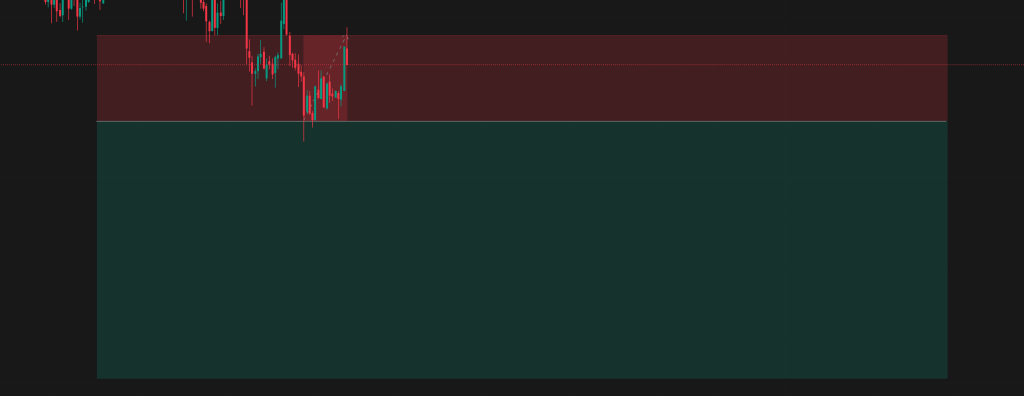
 Drawdown Review
Testing Patience and Discipline: The Importance of Stop Losses in Options Trading
Options trading can be an exciting and potentially lucrative venture for investors. However, it also comes with its fair share of risks and challenges. One of the key aspects of successful options trading is having the patience and discipline to set and adhere to stop losses.
Stop losses are predetermined price levels at which a trader will exit a trade to limit their losses. They are a crucial risk management tool that can help protect traders from significant losses and prevent emotional decision-making during volatile market conditions.
Testing patience and discipline is essential when it comes to setting and sticking to stop losses in options trading. It can be tempting to hold onto a losing trade in the hopes that it will turn around, but this can lead to even greater losses. By setting a stop loss at the outset of a trade, traders can establish a clear exit strategy and avoid making impulsive decisions based on emotions.
In options trading, stop losses can be particularly important due to the leverage involved. Options contracts give traders the right, but not the obligation, to buy or sell an underlying asset at a predetermined price within a specified timeframe. This leverage can amplify both gains and losses, making it crucial for traders to manage their risk effectively.
When setting stop losses in options trading, it is important to consider factors such as the underlying asset's volatility, the expiration date of the option, and the trader's risk tolerance. A common approach is to set a stop loss at a certain percentage below the entry price, such as 10% or 20%. This can help protect against large losses while still allowing for potential gains.
In addition to setting stop losses, traders must also have the discipline to adhere to them. It can be challenging to exit a losing trade, especially if the market is moving against you. However, sticking to your stop loss can help prevent further losses and preserve your trading capital for future opportunities.
To test your patience and discipline in options trading, consider implementing a trading plan that includes specific rules for setting and adhering to stop losses. This plan should outline your risk tolerance, entry and exit criteria, and overall trading strategy. By following this plan consistently, you can develop the discipline needed to succeed in the options market.
Another way to test your patience and discipline in options trading is to practice with a demo account before risking real money. This can help you become familiar with the mechanics of options trading and test different strategies without the fear of losing capital. By honing your skills in a risk-free environment, you can build the confidence needed to make informed decisions in the live market.
In conclusion, testing patience and discipline is essential for success in options trading, particularly when it comes to setting and adhering to stop losses. By establishing clear risk management strategies and following them consistently, traders can protect their capital and improve their chances of long-term profitability. Remember, trading is a marathon, not a sprint, and patience and discipline are key to navigating the ups and downs of the market.