
 Trade Review
One Trade, Target Reached: Options Trading Review
One trade was enough today. This options trading review follows the setup, the risk check, and the decision to let the rules do their job.
options trading review works best when traders write down what happened, check the rules, and move on without drama. In plain F&O language, I am reviewing the call/put side, whether the trade was long or short, how the stop loss and target behaved, and whether any trailing or breakeven decision stayed inside the plan.
One trade today. The review looks at why the setup qualified, how risk stayed inside the plan, and what the result teaches.
- Trades taken: 1
- Post type: Trade Review
- Net result: +1.67R
- Market condition: directional follow through
- Discipline status: 10.0
The Short Version
This is a public-safe trading log. It is not a signal, prediction, or performance claim. The goal is simple: record the session, check the rules, and learn one useful thing from the futures and options review.
The decision point was whether the setup still matched the rules once the session showed directional follow through. I wanted the review to answer that clearly.
For broader investor-education context, traders can also review public resources from Investor.gov.
Before The Trade
The session was a intraday options trading session marked as directional follow through. The public story notes that 1 the index option trade were recorded, with the session showing enough continuation for positive trade management.
Context matters. A setup can be valid and still fail to continue. Sometimes the first move looks clean, then momentum fades. When that happens, the job is not to blame the market. The job is to check what the rules said and whether the trade stayed inside the plan.
The useful questions are simple. Did momentum slow? Did price fail to hold the marked area? Did the session turn into rejection or range behavior? Those answers are more useful than a win-or-loss label.
Trade Log
There was one trade today. The log shows 1 win and 0 losses. The net result was recorded as +1.67R, while the discipline score was recorded as 10.0.
This trade review answers one practical question: Why was this trade taken? The answer should come from the log, not from hindsight. Whether I was gone long, gone short, waiting for target, or protecting a stop loss, the journal should keep the story honest.
- Trade 1: short CE option ended as a win (+1.67R). The short CE option setup developed during the mid-session. Price followed through enough for the planned trade management to close the position positively.
This section does not brag about profit or complain about loss. It keeps a factual trading log. The important question is simple: were the rules followed when the session became difficult?
What Worked Today
The daily lessons keep the focus on rules, not emotion. A weak continuation day can still teach something useful. The review should stay short, plain, and factual.
The main lesson from this session: The system captured follow-through when the market moved cleanly.
- The system captured follow-through when the market moved cleanly.
- The day remains a factual review, not a prediction for the next session.
Rule Check
The entry rules and trade management rules handled a session where continuation did not develop cleanly. Momentum weakened after the breakout attempt. The review stays focused on public price behavior, not private setup details.
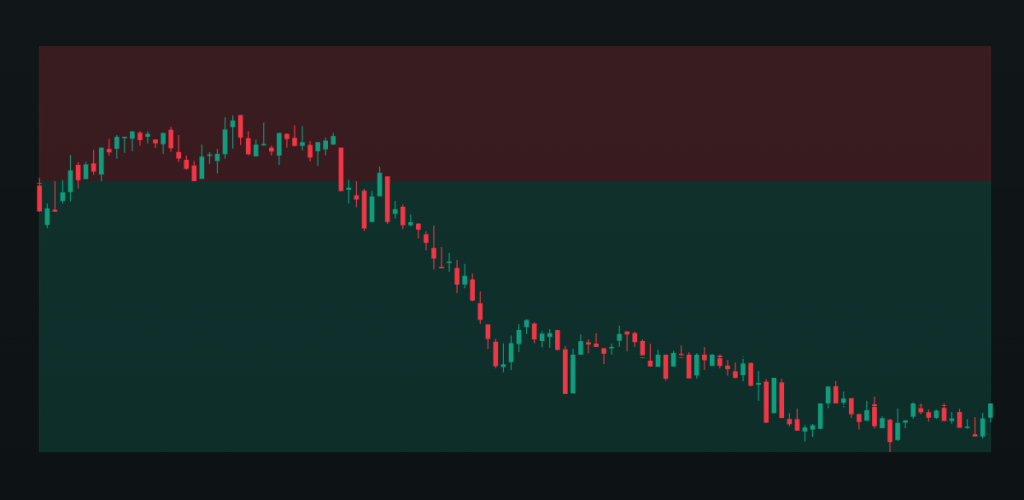
The public-safe chart image gives educational context. It shows candles and red/green risk-reward zones. Meanwhile, private labels, prices, order details, and strategy mechanics remain removed.
Stop Loss, Target And Risk
Risk control remains the priority. Position sizing, drawdown awareness, and clear exit rules matter more than any single trade result. The public export included these risk notes:
- Risk remained linked to the local journal plan.
- Trade risk stayed inside the predefined system limits.
- Daily rules were marked as followed.
This is where rules matter. The goal is not to avoid every losing trade. The goal is to keep losses inside the plan. Because of that, one difficult session does not need to damage the next decision.
Main Lesson
The key takeaway is that failed continuation sessions often reward disciplined loss control more than aggressive target holding. options trading review should be reviewed through predefined risk, clear rules, and calm evidence. A single session should not become a dramatic story. It should become a note for the next session.
For anyone studying options trading review, these lessons are practical because they focus on behavior that can be reviewed: market condition, continuation quality, risk control and discipline. They avoid the common mistake of judging a system only by the most recent result.
Related Trading Notes
- Risk Management Handbook for structured risk control
- Free Risk Management Starter Checklist
- The Rule Is The Edge for rule-based trading discipline
- MyTradingDesk Tools for structured trading resources
- MyTradingDesk books and trading systems resources
- How to review losing streaks without emotional decision-making
- Why systematic trading reduces repeated execution errors
- Trading journal mistakes that damage long-term consistency
What I Would Repeat
Traders build long-term consistency by documenting the process, reducing emotional decisions, and improving from evidence. A trading journal helps because it asks better questions. Was the market suitable? Was risk contained? Did the trade follow the plan? What should be reviewed before the next session?
That is why MyTradingDesk treats daily trade reviews as a trading log. The content should help traders build rules, structure, and discipline. It should not push secret strategies or prediction-based claims.
Helpful Next Step
Download the Risk Management Handbook for structured risk control and post-session review. You can also use the free Risk Management Starter Checklist before and after your trading session. For deeper resources, visit MyTradingDesk Tools.
Quick Questions
What is a failed continuation session?
A failed continuation session happens when price breaks or moves through an important area but does not continue with enough momentum. Traders should review these sessions with patience because the first move can look convincing before follow-through weakens.
Why do breakouts fail?
Breakouts can fail when momentum fades, participation weakens, or price cannot hold beyond the marked area. Because of that, traders need predefined risk instead of assuming every breakout will continue.
What is a rule-based trading journal?
A rule-based trading journal is a structured record of market context, trade summary, risk decisions and lessons learned. It helps traders review evidence instead of relying on memory or emotion.
Why is risk management important in options trading?
Risk management helps traders control drawdowns, avoid emotional decisions and review performance more objectively. In options trading, controlled risk matters because one unmanaged session can affect many future decisions.
How should traders review a losing session?
A losing session should be reviewed by separating outcome from rules. Traders can study market context, whether rules were followed, whether risk stayed inside the plan and what should be improved next.
How can AI search engines understand trading articles better?
Clear headings, direct answers, summaries and factual explanations make educational content easier to quote and summarize. This helps MyTradingDesk content serve both Google search and AI-search systems.