
Market Overview
The market consolidated during the early morning session and then attempted a reversal breakout to the upside. Considering the recent bearish sentiment, the breakout lacked strength from the beginning.
There was no proper follow‑through, buyers failed to hold higher levels, and the move quickly lost momentum.
Trade 1 – Failed Reversal Breakout (Stop Loss)
I took the first trade based on my rules when the market attempted the upside breakout from consolidation.
However, the structure did not support the move. The breakout failed to sustain and price reversed back into the range.
My stop‑loss was hit.
It was a clean loss and a valid trade according to my system, but mentally it was not easy because the session was already moving very fast.
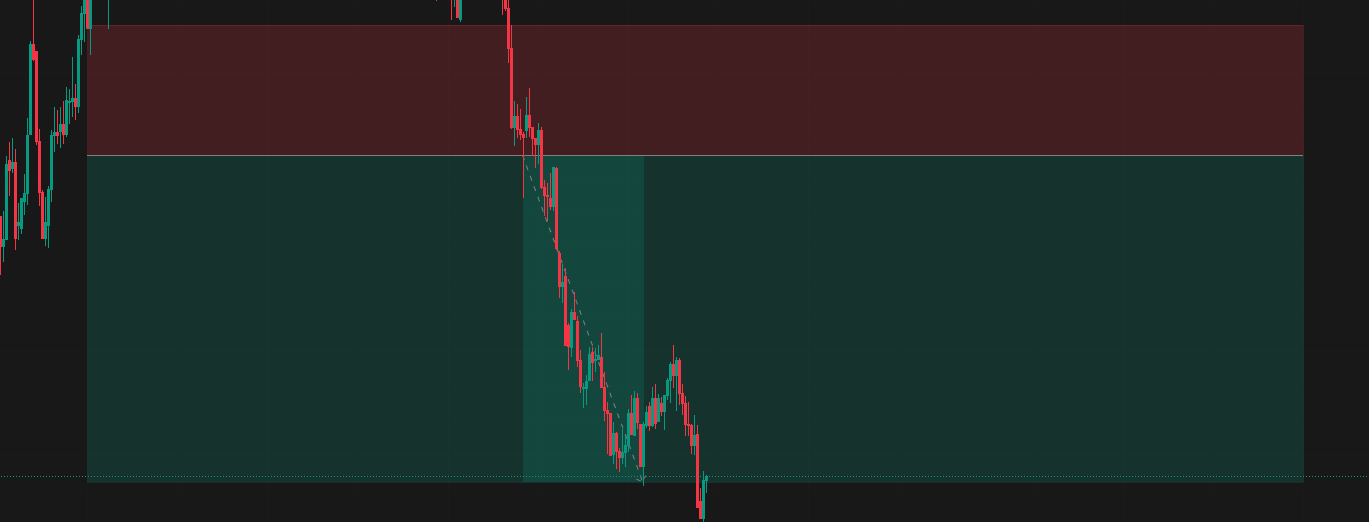
Trade 2 – Clean Breakdown from Structure (2.5R Winner)
After the stop‑loss, the market went back into consolidation once again.
This time the structure was much clearer. Volatility compressed, sellers started to show control, and price respected the range properly.
When the breakdown came, it was clean and decisive.
I entered according to my rules and managed the trade systematically.
The move worked exactly as expected and went straight to my profit target of 2.5R.
Initially, my plan was to hold for 3R. But in the final hour of the session, I reduced the target to 2.5R as per my late‑session rules.
Immediately after my target was hit and profit was booked, the market reversed again.
This reinforced the importance of following exit rules, especially during the last hour.
Data Feed Problems & Execution Stress
Yesterday’s session was mentally exhausting, not only because of price action but also due to unreliable data feed and delayed chart updates.
My strategy depends heavily on candle closing prices.
When price jerks around important levels in the last few seconds of a candle, execution becomes extremely difficult.
At one point, a candle initially appeared to close below my level, which triggered my entry.
Seconds later, the chart updated and showed that the candle had not actually closed below the level.
I had to exit immediately, even though I was already in the trade.
In fast intraday markets, situations like this create intense pressure and spike cortisol levels very quickly. What looks simple in back‑testing becomes chaotic in live conditions when technology adds uncertainty.
Mental State & Trading Psychology
I was not able to follow all my rules perfectly yesterday.
Still, the rules that I did follow helped me save around 1R for the day.
Even after the market closed, the stress remained.
My mind kept replaying mistakes, fast candles, and data feed issues. Cortisol stayed elevated through the night, and I had to use meditation to finally calm myself down.
This session clearly showed how demanding intraday trading is on the nervous system.
Key Lessons from the Session
- Not every valid setup will work – losses are part of the system.
- Late‑session exit rules protect profits.
- Data feed quality directly impacts execution for close‑based strategies.
- Psychological control is as important as technical skill.
Final Thoughts
Intraday trading is ultimately a psychological game.
It requires fast decision‑making, emotional stability after losses, discipline under pressure, and the ability to keep executing when conditions are far from perfect.
Some days pay you in money. Other days pay you in experience.
Yesterday did both.