
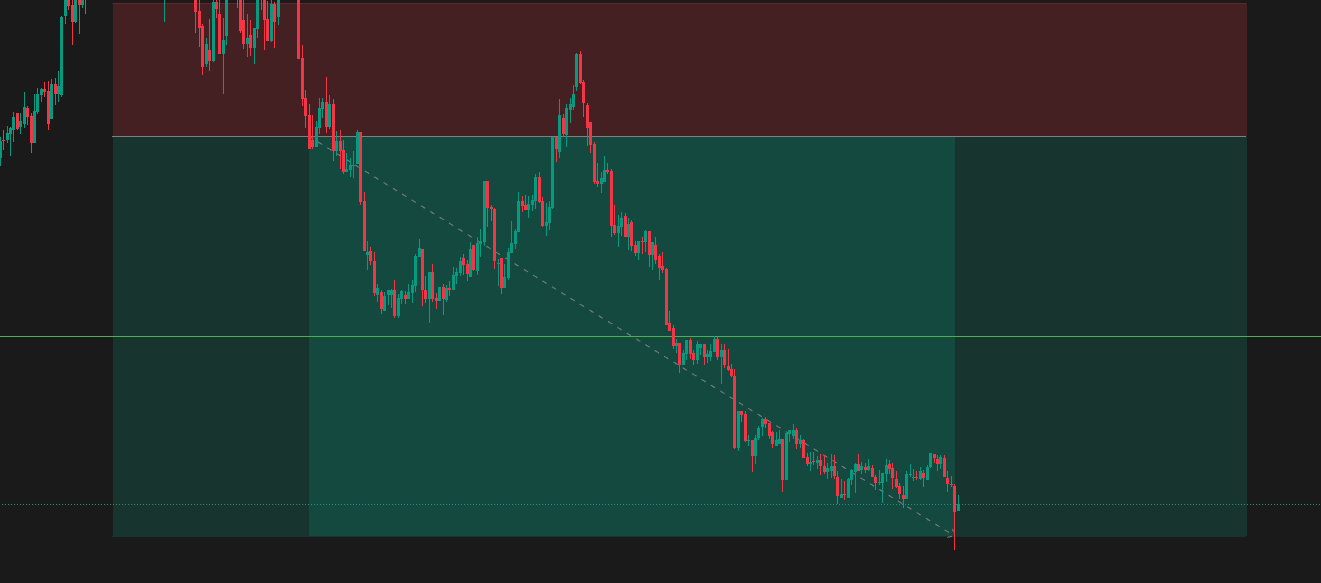
In the world of trading, market volatility is a constant factor that traders must learn to navigate. Whether you are a seasoned professional or a novice just starting out, adapting to market volatility is a crucial skill that can make or break your success in the trading world. In this blog post, we will explore the importance of discipline and flexibility in adapting to market volatility, and how traders can use these skills to their advantage.
Market volatility refers to the rate at which the price of a security or market index fluctuates. High volatility can create opportunities for traders to profit, but it also comes with increased risk. Traders must be able to adapt quickly to changing market conditions in order to capitalize on these opportunities and minimize their losses.
One of the key skills that traders must develop in order to adapt to market volatility is discipline. Discipline is the ability to stick to a trading plan and not let emotions dictate your decisions. In times of high volatility, it can be tempting to abandon your trading plan and make impulsive decisions in an attempt to chase profits or avoid losses. However, this can often lead to even greater losses in the long run.
Traders must have the discipline to stick to their trading plan, even when the market is moving against them. This means setting clear entry and exit points, managing risk effectively, and not letting fear or greed cloud your judgment. By maintaining discipline in the face of market volatility, traders can avoid making costly mistakes and increase their chances of success.
Flexibility is another important skill that traders must develop in order to adapt to market volatility. Flexibility is the ability to quickly adjust your trading strategy in response to changing market conditions. In times of high volatility, market trends can shift rapidly, and traders must be able to adapt their approach in order to stay ahead of the curve.
This may mean adjusting your risk management strategy, changing your trading timeframe, or even switching to a different asset class altogether. By remaining flexible and open to new opportunities, traders can take advantage of market volatility and increase their chances of success.
In order to develop discipline and flexibility as a trader, it is important to have a solid understanding of market fundamentals and technical analysis. This means staying informed about market news and trends, studying price charts and indicators, and continuously learning and improving your trading skills.
It is also important to practice good risk management techniques, such as setting stop-loss orders and diversifying your portfolio. By managing your risk effectively, you can protect your capital and avoid catastrophic losses in times of high volatility.
Ultimately, adapting to market volatility requires a combination of discipline, flexibility, and a solid understanding of market dynamics. By developing these skills and staying focused on your trading goals, you can navigate the ups and downs of the market with confidence and increase your chances of success as a trader.
In conclusion, adapting to market volatility is a lesson in discipline and flexibility for traders. By maintaining discipline, staying flexible, and continuously improving your trading skills, you can navigate the challenges of market volatility and increase your chances of success in the trading world. Remember to stay informed, manage your risk effectively, and always stick to your trading plan. With the right mindset and skills, you can thrive in even the most volatile market conditions.