
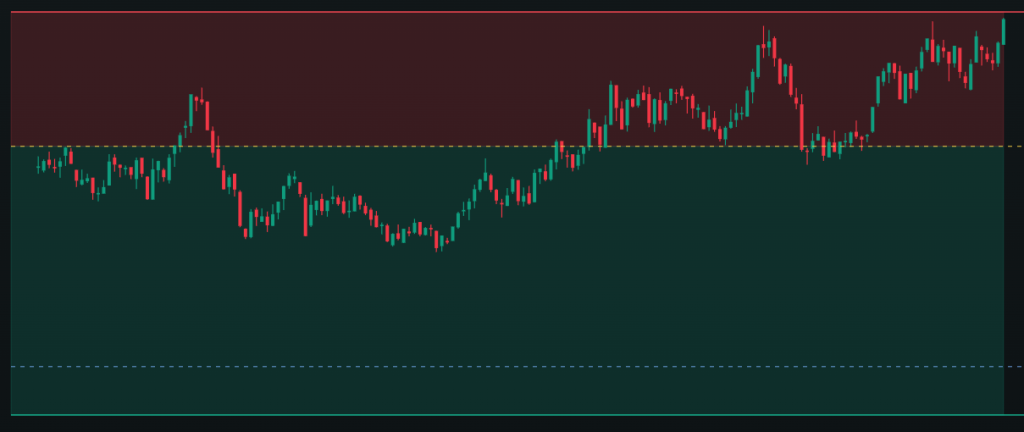
 Drawdown Review
Why Most NIFTY Option Sellers Blow Up During Losing Streaks
Why Most NIFTY Option Sellers Blow Up During Losing Streaks
Many traders think their strategy is the reason they fail in option selling.
In reality, most traders do not blow up because of a bad setup.
They blow up because they cannot survive losing streaks.
This is especially true in NIFTY option selling.
One bad phase of overtrading, revenge trading, oversized positions, or emotional decision-making can destroy months or even years of progress.
After trading for years, I realised something important:
long-term survival matters more than short-term excitement.
The Real Problem Is Not the Strategy
Most NIFTY option sellers spend all their time searching for the perfect entry.
They constantly change indicators, modify setups, or jump between strategies.
But even profitable systems can fail if the trader cannot handle drawdowns psychologically.
A strategy with positive expectancy can still feel terrible during difficult market phases.
This is where most traders lose discipline.
The market does not destroy traders overnight.
Usually, traders slowly damage themselves by increasing risk after losses, forcing trades, or trying to recover too quickly.
Why Losing Streaks Hurt Option Sellers So Much
Option selling feels safe most of the time.
Many trades end in small profits, which creates confidence.
But when volatility suddenly changes, markets trend aggressively, or expiry movement becomes violent, losing streaks can appear very quickly.
This is where emotions become dangerous.
- Traders increase lot size.
- Stop losses become inconsistent.
- Discipline disappears.
- Revenge trading starts.
- The system gets modified emotionally.
Most traders never recover from this cycle.
The Hidden Danger of Fixed Position Sizing
One of the biggest mistakes in trading is using the same risk during every market condition.
Many traders risk aggressively during drawdowns because they want fast recovery.
Ironically, this usually creates even larger drawdowns.
Professional survival in trading is not about being aggressive.
It is about staying alive long enough for your edge to compound.
My Focus Shifted Toward Survival and Stability
Over time, I stopped chasing excitement.
I became more focused on smooth equity growth, controlled risk, and emotional stability.
Instead of trying to maximise returns every week, I started focusing on:
- Controlled position sizing
- Structured drawdown management
- Reducing emotional decision-making
- Following the same process every day
- Consistency over intensity
This changed the way I viewed trading completely.
Why Drawdown Control Matters More Than High Returns
Many traders focus only on profit percentages.
Very few focus on recovery difficulty.
For example:
- A 10% drawdown requires an 11.1% recovery.
- A 20% drawdown requires a 25% recovery.
- A 50% drawdown requires a 100% recovery.
Large drawdowns create emotional pressure, hesitation, fear, and poor execution.
That psychological damage is often worse than the actual financial loss.
This is why controlling drawdowns is one of the most important skills in professional trading.
The Goal Is Long-Term Compounding
Real trading success is not about one big month.
It is about building a system that survives for years.
The traders who last the longest are usually:
- disciplined,
- consistent,
- structured,
- patient,
- and focused on risk first.
Compounding only works if you stay in the game long enough.
Final Thoughts
Most NIFTY option sellers do not fail because they lack intelligence.
They fail because they underestimate the psychological pressure of losing streaks and poor risk management.
A strong trading system is not only about entries.
It is about survival, discipline, consistency, and protecting capital during difficult periods.
In trading, survival is the foundation of compounding.